“A beacon of Western Australia’s tourism excellence”: the interaction of Indigenous rights, mass graves and tourism at Wadjemup Rottnest Island

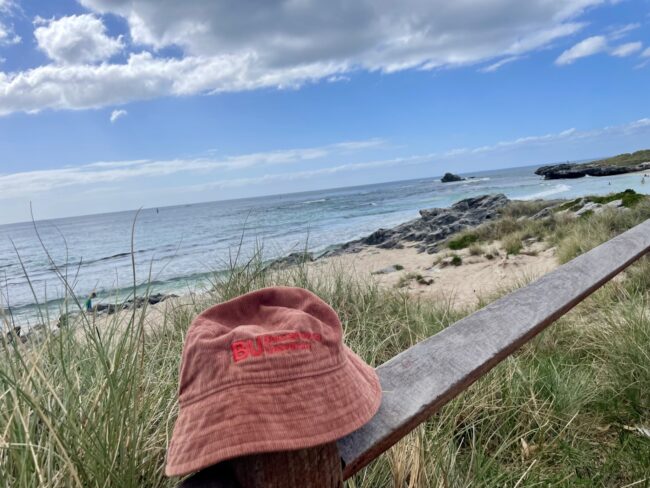
Anna Charlton   Wadjemup Rottnest Island is an island 20km off the Western Australian (WA) coast. Today, for the hundreds of thousands of people that visit each year, it is one of WA’s most popular tourist destinations – famous for its pristine beaches, cycling, snorkelling and quokkas – but for First Nations communities, it holds a profoundly different significance. Wadjemup is part of the traditional lands belonging to the Whadjuk Noongar nation and is a sacred place…

Why does data protection surrounding mass graves matter, and how can it be advanced?

Jorge Eduardo Jasso Cuéllar   Technological advancements in forensic science, including as part of the investigation of mass graves, have significantly changed the way identification and forensic examinations are conducted. For example, over the past decades, forensic practice has evolved from primarily relying on fingerprints and dental records to employing highly sophisticated genetic profiling techniques.…

Mass Grave Investigations in Latin America: Argentina, Chile and Perú

Diego R. Nunez Mass graves contain evidence that is essential for the realisation of truth, justice and reparation. In this sense, their protection plays a fundamental part in State’s compliance with their human rights obligations. This position is further reinforced in the international legal landscape. The Inter-American Court of Human Rights (IACtHR), for instance, has…

Centrality of Solidarity-Driven Approaches to Preventing Loss of Life on Migratory Routes

Malvika Verma   The theme for International Migrants Day this year highlights how human mobility drives communities to connect and support each other, ultimately facilitating safer migration. This is most evident in zones witnessing high mobility, but at the same time, also seeing higher risks for migrants during the migration cycle. It is not uncommon…

An Emerging Agenda for Review: Five Years from the Publication of the Bournemouth Protocol on Mass Grave Protection and Investigations

Melanie Klinkner   It does not require much reflection to conclude that, overall, 2025 has not been a good year from a human rights perspective. Regardless of whether international law is in ‘crisis’, dead or still alive, mass atrocities keep being perpetrated at an alarming rate. Claims of mass graves in Sudan’s city of el-Fasher…

Meet Jorge!

Jorge Eduardo Jasso Cuellar   Forensic science, human rights, and data protection converge in a complex yet vital field that is all about uncovering the truth and seeking justice.   Mass graves, for example, raise hard moral and practical questions. Looking into these sites needs careful science, legal responsibility, and respect for those who have…